The movie industry has changed dramatically over the past decade. There was a time when watching a new film usually meant going to the cinema, waiting for a DVD release, or hoping it would eventually appear on television. Today, viewers can watch thousands of movies from the comfort of their homes with just a few clicks.
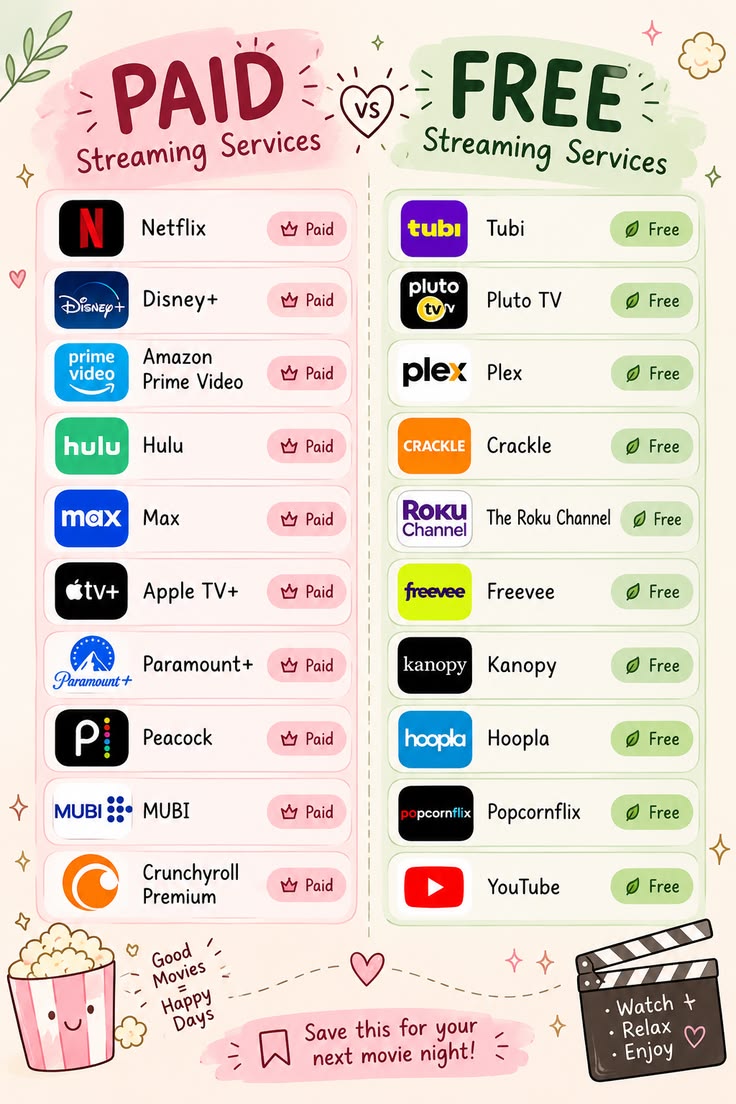
Streaming platforms such as Netflix, Amazon Prime Video, Disney+, Apple TV+, and Max have transformed how movies are produced, distributed, promoted, and watched. They have introduced new opportunities for filmmakers, changed audience expectations, and challenged the traditional cinema experience.
But are streaming platforms making the movie industry better, or are they creating new problems? Let’s explore how these services are reshaping Hollywood and the global entertainment business.
1. Movies Are More Accessible Than Ever
One of the biggest changes brought by streaming is convenience. In the past, movie lovers often had to visit cinemas or wait months for a film to become available elsewhere. Streaming has made entertainment much easier to access.
With a suitable subscription and internet connection, viewers can explore films from different countries, discover independent productions, and revisit their favorite classics without leaving home.
This convenience has also changed viewing habits. People can watch a movie during a lunch break, enjoy a film on a long journey, or spend an entire weekend watching their favorite series and movies.
However, access depends on a person’s internet connection, subscription costs, and the availability of each title in their country.
2. Streaming Platforms Are Producing Their Own Movies
Streaming companies are no longer simply distributors of films made by other studios. Many now invest heavily in original productions.
Netflix, Amazon MGM Studios, Apple Original Films, and other services finance projects that may never have received the same level of support under traditional studio systems.
This shift has created opportunities for directors, screenwriters, actors, and producers to develop ambitious projects. Streaming services can also take chances on unusual stories because they are not always dependent on the same box-office calculations as traditional theatrical releases.
For audiences, this means more original films and a wider variety of storytelling styles.
At the same time, producing original content is expensive. Platforms must constantly compete for viewers’ attention, and not every release becomes a success.
3. Independent Filmmakers Have New Opportunities
Independent filmmakers often struggle to secure theatrical distribution, especially when their projects have limited budgets or appeal to a smaller audience.
Streaming has created another route to reaching viewers. A film that might receive only a limited cinema release can potentially find an international audience through a digital platform.
This is particularly important for stories that explore unfamiliar cultures, unusual characters, or subjects that major studios might consider commercially risky.
However, getting a film onto a major platform is not always easy. Competition is intense, and smaller filmmakers may still struggle with marketing, distribution deals, and visibility.
Streaming has opened doors, but success still requires strong storytelling, effective promotion, and sometimes a great deal of luck.
4. International Movies Are Reaching Global Audiences
Streaming has helped audiences discover movies beyond their own countries. Viewers who once relied mainly on locally available cinema can now explore international productions more easily.
Hollywood films continue to attract enormous audiences, but viewers can also discover European thrillers, Korean dramas, Japanese animation, Latin American productions, and many other forms of cinema.
Subtitles and dubbing make these films accessible to people who do not speak the original language.
The worldwide popularity of international entertainment demonstrates that a compelling story can cross cultural and linguistic boundaries.
Nevertheless, a film’s availability varies by platform and region. Licensing agreements and local distribution arrangements can determine what audiences are able to watch.
5. The Traditional Cinema Experience Is Facing New Competition
For many years, cinemas were the main destination for people who wanted to see new blockbuster movies. Streaming has challenged that tradition by allowing viewers to watch films at home, sometimes relatively soon after their theatrical release.
For families and groups of friends, home viewing may be cheaper than purchasing several cinema tickets, buying snacks, and paying for transportation.
The convenience is difficult to ignore. Viewers can pause a movie, adjust the volume, and watch whenever they want.
However, cinemas still offer something special: a massive screen, powerful sound, and the excitement of experiencing a film alongside an audience.
Major action movies, science-fiction adventures, and visually spectacular productions can feel particularly impressive in a theater.
Rather than making cinemas irrelevant, streaming has encouraged the industry to reconsider what makes theatrical viewing worth the price.
6. Audience Expectations Have Changed
Modern viewers have become accustomed to having entertainment available whenever they want it. They often expect a large selection of titles, personalized recommendations, and quick access to new releases.
Streaming platforms use viewing data and recommendation systems to suggest films based on users’ interests and watching habits.
This can help people discover movies they might otherwise overlook. However, it can also create a problem: viewers may repeatedly receive recommendations similar to what they have already watched.
The abundance of choice can become overwhelming. Sometimes, people spend more time scrolling through titles than actually watching a movie.
For filmmakers, the challenge is no longer simply making a good film. They must also compete for attention in a crowded digital environment.
7. Streaming Has Changed How Movies Make Money
Traditional theatrical releases often depend heavily on ticket sales. Streaming platforms operate through different business models, including subscriptions, advertising, rentals, and digital purchases.
This creates new financial possibilities for movie studios and distributors. A film may attract viewers over an extended period rather than relying entirely on its opening weekend.
However, measuring success can be complicated. Public box-office figures are usually easier to compare than streaming performance, because platforms do not always release complete viewing and revenue data.
A movie that becomes popular online may generate significant attention without producing the same type of publicly visible financial results as a theatrical blockbuster.
This has made the business of evaluating movie success more complex.
8. The Competition for Quality Content Is Increasing
Streaming companies compete to attract and retain subscribers. As a result, they invest in major productions, well-known actors, established directors, and original concepts.
This competition can benefit audiences by increasing the variety of films available.
However, the pressure to release new content can also create concerns about quality. Some productions receive limited promotion, disappear quickly from public discussion, or struggle to stand out among hundreds of competing titles.
For filmmakers, finding a balance between creative ambition and commercial expectations remains important.
A strong movie needs more than an impressive budget or a famous cast. It needs a compelling story, convincing performances, thoughtful direction, and an emotional connection with its audience.
9. What Does the Future Hold?
Streaming is likely to remain an important part of the movie industry. Platforms will continue experimenting with original productions, international partnerships, advertising-supported plans, and new ways to recommend content.
At the same time, cinemas, independent distributors, and traditional studios will continue searching for ways to attract audiences.
The future may involve a combination of theatrical releases and digital distribution rather than one format completely replacing the other.
Theatrical exclusivity, release schedules, subscription prices, and audience preferences will continue to influence how films reach the public.
Ultimately, the most successful businesses will be those that understand what viewers want while supporting stories that are worth watching.
Final Thoughts
Streaming platforms have transformed the movie industry by making films more accessible, creating opportunities for filmmakers, expanding international entertainment, and challenging traditional cinema distribution.
They have also introduced new difficulties, including intense competition, rising production costs, and the challenge of helping individual movies stand out.
For audiences, the biggest advantage is choice. Viewers can explore different genres, discover filmmakers from around the world, and enjoy movies on their own schedules.
For the industry, the challenge is to ensure that convenience does not come at the expense of creativity and quality.
Whether someone prefers the excitement of a cinema or the comfort of watching at home, one thing is clear: streaming has permanently changed how people experience movies. The future of entertainment will likely belong to an industry that finds room for both the big-screen experience and the freedom of digital viewing.
Leave a Reply